About
Author of The Human OS Manual. A systems inquiry spanning technology, context, behavior, evidence, physiology, recovery, adaptation, and healthspan.
Bio
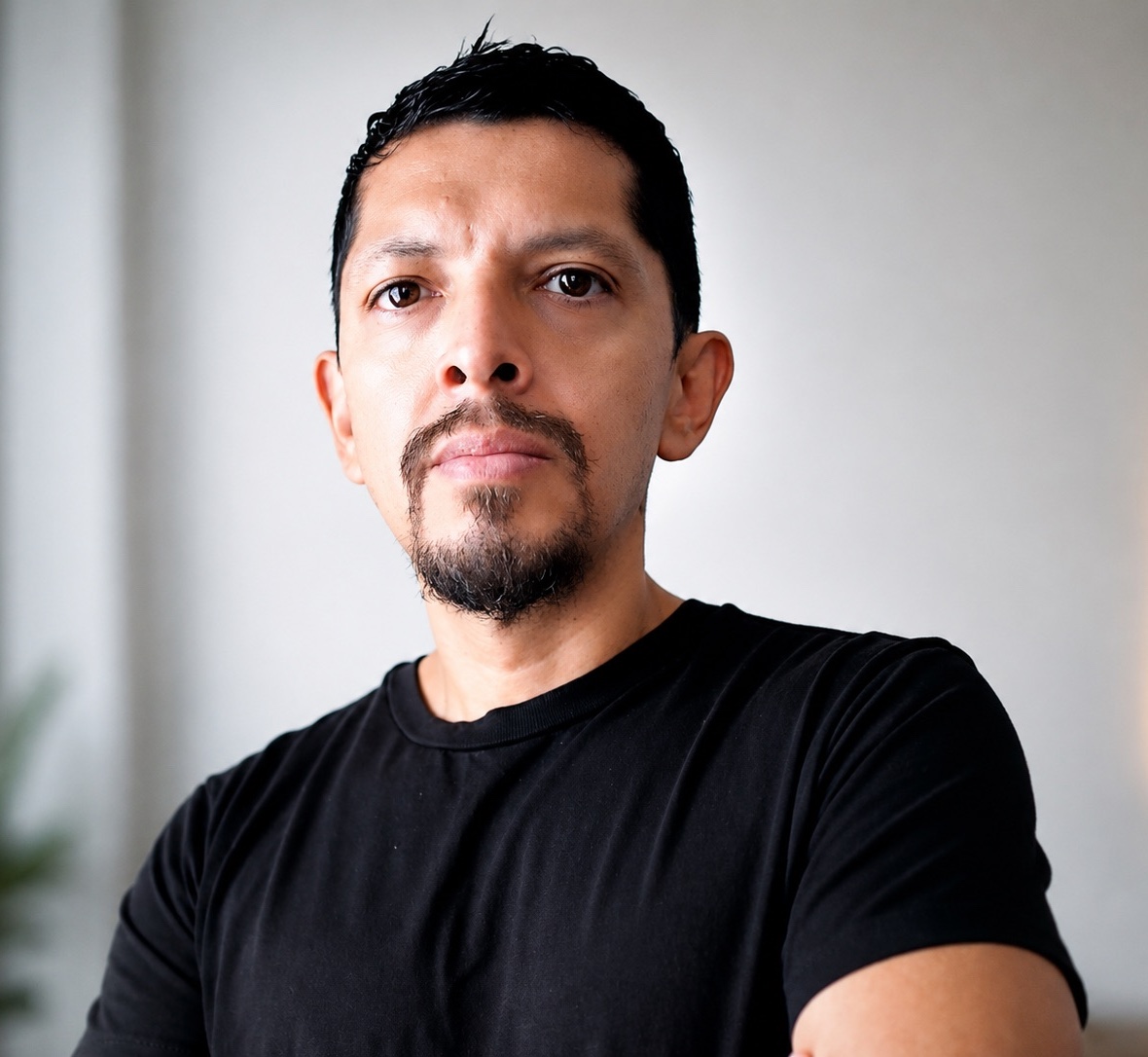
Oscar Trelles is the author of The Human OS Manual, a systems thinker, and an entrepreneur. Over more than two decades, his work moved through technology, advertising and strategy, market research, cybersecurity, startups, and commercial leadership. The recurring question changed with the work, but the method remained familiar: look past the visible output toward the structure, context, and conditions producing it.
In technology, that meant architecture, integration, usability, and the relationship between people and designed systems. In advertising and strategy, it meant context, attention, participation, and behavior. In market research, the standard of knowing became more formal: sampling, questionnaire design, qualitative context, and the difference between suggestive evidence and causal claims.
The inquiry moved closer to the body much later. Burnout and recovery made the hidden cost of performance harder to ignore. Embodied practice brought state into direct experience, while systemic training widened causation beyond the isolated individual. Physiology, recovery, adaptation, environment, and healthspan gradually became part of the same systems question.
That progression does not mean the Human OS existed all along. The Human OS framework emerged only after these strands converged. The name came later still.
The Human OS Manual is the result: a practical model for understanding how energy, clarity, behavior, recovery, adaptation, and healthspan emerge from one interacting human system under real operating conditions.
Author profiles
How the Human OS emerged
The Human OS did not begin with a name, and its earlier ingredients should not be mistaken for the finished framework. The longer record shows something more useful: a systems inquiry whose boundary gradually widened from technology and context toward behavior, environment, evidence, embodiment, physiology, recovery, and adaptation.
The intellectual history traces that development through surviving public artifacts and private working material, while keeping the boundaries between contemporary evidence and later interpretation visible.
Why the book exists
The Human OS Manual grew from a repeated pattern: people were trying to solve connected problems in isolated pieces.
Sleep was treated as one problem, stress as another, productivity as another, health as another, and aging as something that would happen later. The Human OS provides the operating logic underneath them.
The book brings inputs, state, recovery, behavior, repeated patterns, adaptation, awareness, and community into one interacting architecture.
It is not a wellness program or a performance framework for a narrow professional audience. It is a systems manual for people who want to live in a way their biology understands.